
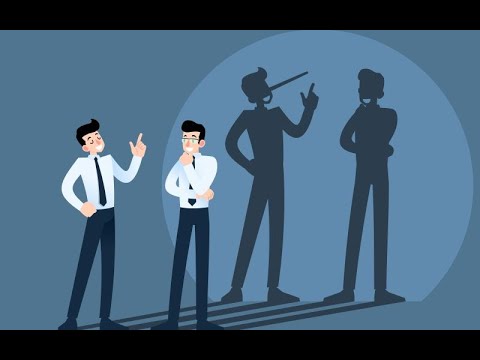
Is it possible to be truthful while still being dishonest?
Learn topic-related expressions and join the speaking club to practice them!


I am a certified TEFL instructor and native English teacher with hands-on experience delivering English due to my experience abroad in Hong Kong. I specialize in creating inclusive, judgment-free classrooms that adapt to diverse learners, including SEN students, using CLT and task-based methods, and I am currently pursuing IELTS certification to further strengthen my qualifications. I enjoy connecting with students from all backgrounds and am committed to helping them build confidence and skills through engaging, supportive instruction.

Topic guide Optional
A quick way to understand the topic and find useful language. Read as much or as little as you like.
1-minute overview
Dishonesty is not limited to saying something false. A person can give technically accurate information while selecting facts, timing, tone, or context so that another person reaches a mistaken conclusion. This creates a useful distinction between truthfulness, which concerns the words spoken, and candour, which concerns whether one is being genuinely open. A secret, a carefully framed statistic, or an advertisement that highlights only its strongest feature may therefore feel dishonest without containing a direct lie.
The moral question becomes harder when motives and consequences conflict. A comforting lie may protect someone in the moment but weaken trust if discovered; blunt honesty may respect autonomy yet cause needless harm. Professional roles also complicate the issue: lawyers, salespeople, diplomats, doctors, and friends all face different duties of disclosure and confidentiality. Rather than asking whether honesty is always simple, the discussion can examine intention, power, foreseeable harm, and the reasonable expectations created in each relationship.
The moral question becomes harder when motives and consequences conflict. A comforting lie may protect someone in the moment but weaken trust if discovered; blunt honesty may respect autonomy yet cause needless harm. Professional roles also complicate the issue: lawyers, salespeople, diplomats, doctors, and friends all face different duties of disclosure and confidentiality. Rather than asking whether honesty is always simple, the discussion can examine intention, power, foreseeable harm, and the reasonable expectations created in each relationship.
Useful vocabulary
Approx. CEFR · Topic relevance
deception by omission
Misleading someone by deliberately leaving out important information.
The statement was accurate, but it was deception by omission because it hid the main risk.
candour
The quality of speaking honestly and openly, especially about difficult matters.
I value candour, but I do not think it requires sharing every private thought.
misleading
Likely to cause someone to form a false belief or impression.
An advertisement can be misleading even if none of its individual claims is false.
confidentiality
The duty to keep private information secret.
A doctor’s duty of confidentiality can limit what they are allowed to reveal.
white lie
A small lie told to avoid hurting, embarrassing, or upsetting someone.
Saying that you like an unwanted gift is often described as a white lie.
moral trade-off
A choice in which protecting one value may damage another.
Choosing between kindness and complete honesty can involve a moral trade-off.
Useful expressions
The crucial distinction is between … and …
Use this to separate related ideas that should not be treated as identical.
The crucial distinction is between keeping information private and actively creating a false impression.
That may be true on the surface, but …
Use this to challenge a claim that is technically correct but incomplete.
That may be true on the surface, but the speaker may still be manipulating the listener’s conclusion.
It depends on what duty we think a person has to disclose.
Use this to bring attention to roles, relationships, and obligations.
It depends on what duty we think a person has to disclose in a medical or legal situation.
The intention matters, although it may not settle the issue.
Use this to give motives importance without treating them as the only factor.
The intention matters, although it may not settle the issue if the lie causes serious harm.
We should consider the likely consequences, not only the literal wording.
Use this to shift the focus from individual words to real-world effects.
We should consider the likely consequences, not only the literal wording of the advertisement.
Question list
- Ice breaking
- Main topic
- Free talk
| Q1. | What cliché do you think holds truth? |
|---|---|
| Q2. | How do you adapt when life forces you to slow down? |
| Q3. | What’s a part of your daily life that feels like a small luxury? |
| Q4. | What are people not grateful enough for? |
| Q5. | What is your favorite type of sandwich, and what would you name it if it were on a menu? |
| Q6. | What’s a moment from your past that you’d love to revisit for just a day? |
| Q7. | What emotion would you explore if it could speak? |
| Q8. | What’s something you’re passionate about that others might not expect? |
| Q1. | Is it possible to be truthful while still being dishonest? |
|---|---|
| Q2. | Are some professions more dependent on misleading people than others? |
| Q3. | Should advertising be considered dishonest when it exaggerates the benefits of a product? |
| Q4. | Is lying to protect someone's feelings morally different from lying for personal gain? |
| Q5. | Does a person's intention matter when deciding whether their dishonesty is wrong? |
| Q6. | Should people always tell the truth, even when the truth could seriously hurt someone? |
| Q7. | Is keeping a secret a form of dishonesty? |
| Q8. | Can society function effectively if people are completely honest with one another? |
| Q1. | If you could live in any time period, which would you choose? |
|---|---|
| Q2. | What helps you maintain long-term discipline? |
| Q3. | What's your favorite childhood memory? |
| Q4. | Why are more people questioning traditional educational paths? |
| Q5. | What's the most embarrassing thing that's ever happened to you? |
| Q6. | In your opinion, what makes a city feel welcoming or unwelcoming to outsiders? |
| Q7. | How do you express understanding without agreeing? |
| Q8. | How do you intentionally build empathy? |
Rules


Please be kind and respectful.
Note: You can be banned for violating any of these rules
No flirting! Don't ask for other people's social network, number etc. if he/she refuses to give them.
Note: You can be banned for violating any of these rules
Give others an equal opportunity to speak.
Note: You can be banned for violating any of these rules
Avoid Smoking / Drinking while you are talking.
Note: You can be banned for violating any of these rules
Turning your camera on is mandatory.
Note: You can be banned for violating any of these rules
Ready to join the conversation?
Book your spot and bring your perspective to the discussion.