
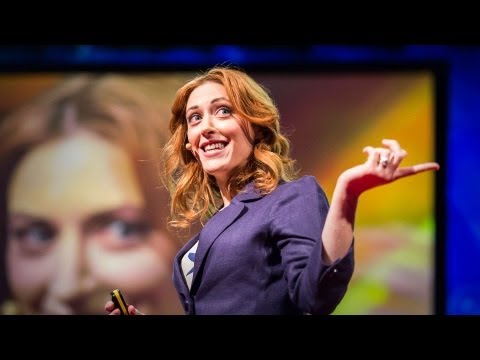
Is Stress Always Bad for Us?
Learn topic-related expressions and join the speaking club to practice them!
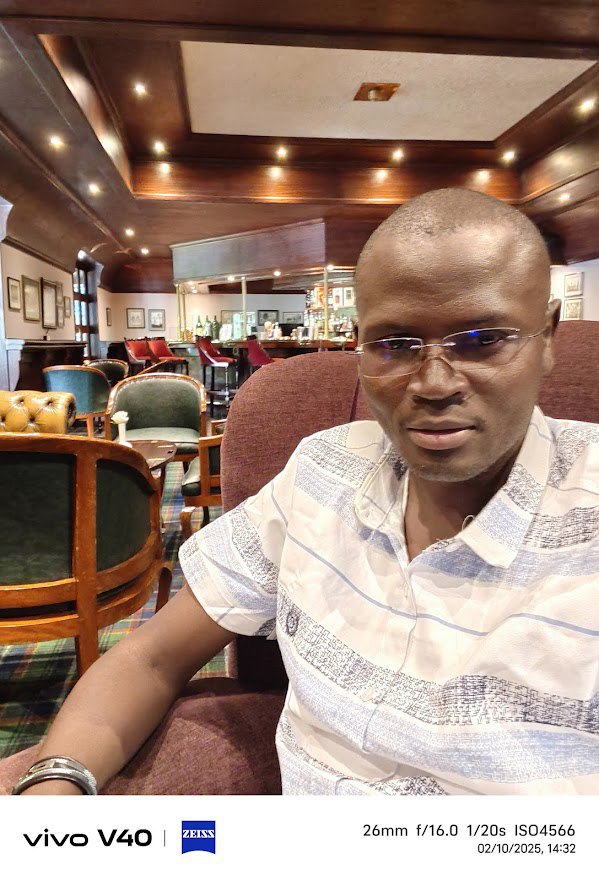

I’m Ken, a Kenyan accountant with a special love for languages. I enjoy cross-cultural conversations and love hearing different accents from around the world come together through one shared language. I especially enjoy easy, judgment-free conversations where there is no pressure for perfection—just people connecting over random topics.

Topic guide Optional
A quick way to understand the topic and find useful language. Read as much or as little as you like.
1-minute overview
Stress is often treated as a single harmful force, but it is better understood as the body’s response to demands or perceived threats. A deadline, difficult conversation, examination, financial worry, or caring responsibility can activate it. In the short term, this response may sharpen attention, mobilize energy, and encourage preparation. That does not mean pressure automatically improves performance: the task, the level of demand, and a person’s resources all matter.
The crucial distinction is between manageable, temporary pressure and stress that is intense, uncontrollable, or never fully ends. Long-lasting stress can disrupt sleep, relationships, concentration, and physical health. People also interpret the same event differently because of experience, support, personality, health, and how much control they feel they have. A more constructive stress mindset may help someone meet a challenge, yet it is not a cure for unsafe workloads, poverty, trauma, or burnout. The discussion invites a balanced question: should we remove stress whenever possible, or build conditions and skills that make challenges sustainable?
The crucial distinction is between manageable, temporary pressure and stress that is intense, uncontrollable, or never fully ends. Long-lasting stress can disrupt sleep, relationships, concentration, and physical health. People also interpret the same event differently because of experience, support, personality, health, and how much control they feel they have. A more constructive stress mindset may help someone meet a challenge, yet it is not a cure for unsafe workloads, poverty, trauma, or burnout. The discussion invites a balanced question: should we remove stress whenever possible, or build conditions and skills that make challenges sustainable?
Useful vocabulary
Approx. CEFR · Topic relevance
stressor
A situation, event, or condition that causes stress.
For many people, uncertainty is a bigger stressor than hard work itself.
manageable
Difficult but still possible to deal with successfully.
The workload felt demanding but manageable because the deadline was clear.
chronic stress
Stress that continues for a long period without enough recovery.
Chronic stress can develop when work pressure never really stops.
coping mechanism
A habit or strategy used to handle emotional pressure.
Exercise is a useful coping mechanism for some people, but it does not solve every problem.
perceived control
The feeling that you can influence what happens in a situation.
Even a busy schedule can feel less stressful when people have some perceived control over it.
burnout
Severe mental and physical exhaustion linked to prolonged stress, often from work or study.
Burnout is more than being tired after a difficult week.
Useful expressions
It depends on whether the pressure is temporary or relentless.
Use this to distinguish a short challenge from an ongoing burden.
A tight deadline can be motivating, but it depends on whether the pressure is temporary or relentless.
The key variable may be the sense of control.
Use this to shift attention from the event itself to a person’s influence over it.
Two jobs may be equally demanding, but the key variable may be the sense of control.
That argument risks oversimplifying the issue.
Use this to challenge a claim that treats stress as entirely good or bad.
Saying that all stress makes us stronger risks oversimplifying the issue.
There is a threshold beyond which it becomes counterproductive.
Use this to explain that a potentially helpful factor can become harmful.
Competition can encourage effort, but there is a threshold beyond which it becomes counterproductive.
A change in interpretation is not the same as a change in circumstances.
Use this to qualify claims about positive thinking or mindset.
A change in interpretation is not the same as a change in circumstances when someone faces an unreasonable workload.
Sources & further reading
Question list
- Ice breaking
- Main topic
- Free talk
| Q1. | What's the most interesting or unique item you've ever collected? |
|---|---|
| Q2. | What’s an object you own that reminds you of an important life lesson? |
| Q3. | Which part of your personality surprises people once they get to know you? |
| Q4. | How has social media changed the way businesses operate? |
| Q5. | How do you recognize opportunities hidden inside problems? |
| Q6. | Are you a predictable person? |
| Q7. | Where do you feel the strongest connection to your goals? |
| Q8. | What is your least favorite season? |
| Q1. | What situations create the most stress in everyday life? |
|---|---|
| Q2. | Can some stress actually help people perform better? |
| Q3. | Why do different people react differently to the same pressure? |
| Q4. | Does trying to avoid all stress make life better? |
| Q5. | Can changing how we think about stress change how it affects us? |
| Q6. | Is work or school becoming more stressful than it used to be? |
| Q7. | When does healthy pressure become harmful stress? |
| Q8. | Would you prefer a very calm life or a challenging life with some stress? |
| Q1. | Why do sudden realizations often arrive unexpectedly? |
|---|---|
| Q2. | What motivates you to take action? |
| Q3. | What are your thoughts on free speech? |
| Q4. | How do you refocus when you get distracted easily? |
| Q5. | What are the biggest limitations holding society back? |
| Q6. | Should there be an age limit for political leaders? |
| Q7. | How do you maintain balance between work and personal life? |
| Q8. | How do you think the concept of a "Galactic Federation" or other forms of extraterrestrial governance might function? |
Rules


Please be kind and respectful.
Note: You can be banned for violating any of these rules
No flirting! Don't ask for other people's social network, number etc. if he/she refuses to give them.
Note: You can be banned for violating any of these rules
Give others an equal opportunity to speak.
Note: You can be banned for violating any of these rules
Avoid Smoking / Drinking while you are talking.
Note: You can be banned for violating any of these rules
Turning your camera on is mandatory.
Note: You can be banned for violating any of these rules
Ready to join the conversation?
Book your spot and bring your perspective to the discussion.