Should AI Be Allowed to Recreate Actors Without Their Permission?
Learn topic-related expressions and join the speaking club to practice them!

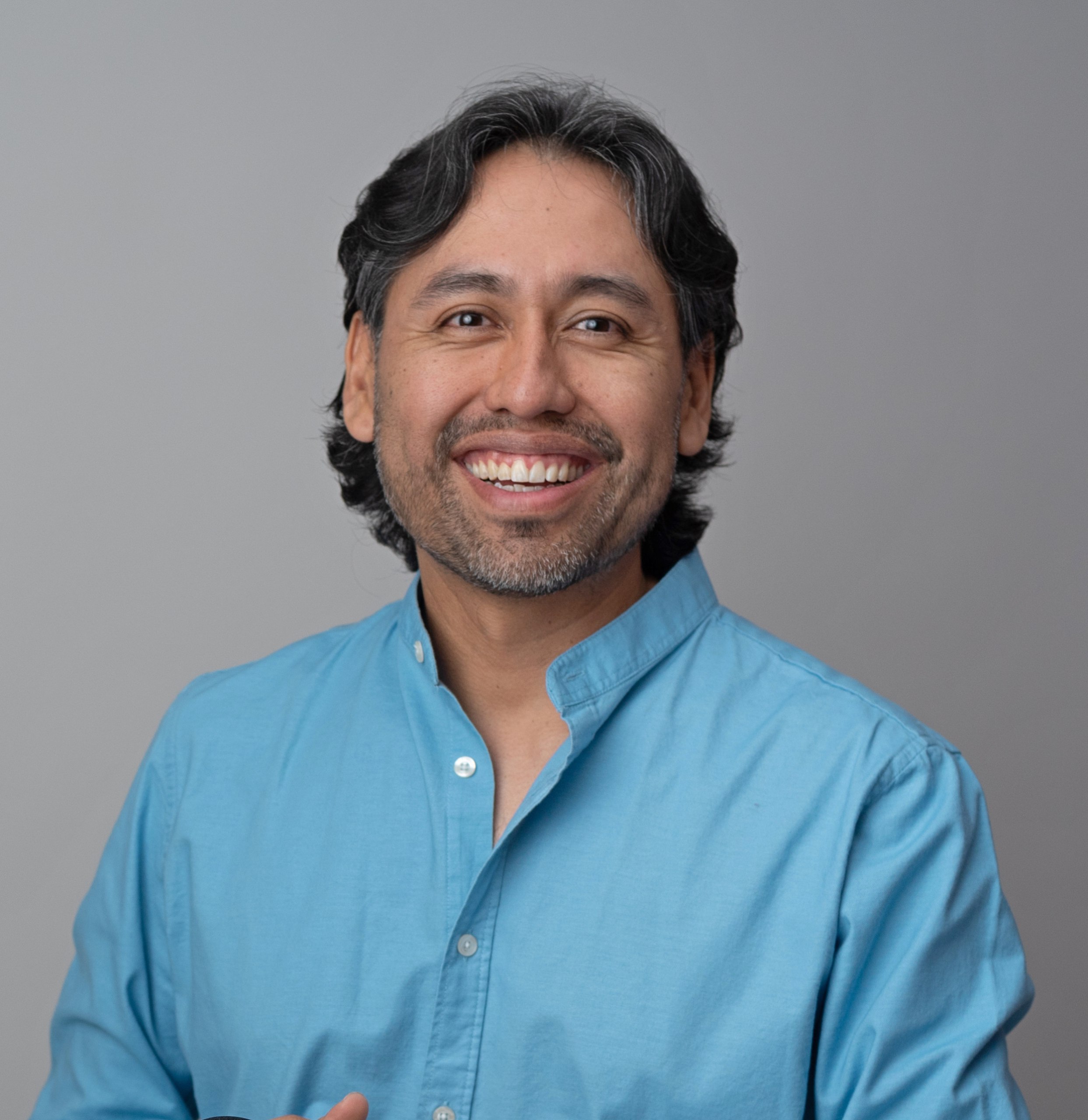

Hi! I’m Daniel, a Systems Engineer and B2B SaaS Sales leader. After years of public speaking, coaching, and stage performance, I believe selling is just clear communication. I’m here in LangClub to sharpen my English for global business, connect with people, and learn about different cultures—which is already happening! Outside of work, I'm a meditation instructor. Let’s make every conversation great!

Topic guide Optional
A quick way to understand the topic and find useful language. Read as much or as little as you like.
1-minute overview
AI can now generate a convincing version of an actor’s face, voice, or performance. It might help filmmakers repair a damaged scene, create a translation in another language, or complete work after illness or death. Supporters argue that, with clear permission, it can preserve creative projects and give performers new ways to license their image.
The central issue is control. A digital replica can appear in scenes the actor never performed, perhaps saying things that damage their reputation or conflict with their values. In the United States, recent industry agreements have increasingly required informed consent, a specific description of intended use, and compensation for certain union-covered uses. However, contracts do not settle every question, especially for deceased performers, non-union actors, training data, and international releases.
There is also an audience question. Is a film misleading if an actor appears to give a new performance but did not? Some viewers may accept AI assistance when it is disclosed; others may see it as replacing human creativity. The discussion is not simply about banning or celebrating technology, but about consent, payment, transparency, artistic purpose, and power between performers and studios.
Useful vocabulary
Approx. CEFR · Topic relevance
digital replica
A digital version of a person’s face, voice, or performance that can generate new material.
A digital replica may be acceptable if the actor approves each new use.
informed consent
Permission given after someone receives clear, relevant details about what will happen.
A short contract is not informed consent if it does not explain where the replica will appear.
likeness
/ˈlaɪknəs/A person’s recognizable appearance or image.
The actor argued that the advertisement used her likeness without permission.
residuals
/rɪˈzɪdʒuəlz/Payments performers may receive when a production is reused or earns money over time.
If an AI-generated scene is streamed worldwide, should the actor receive residuals?
posthumous
/ˈpɑstʃəməs/Happening, published, or awarded after a person has died.
A posthumous performance may require approval from the actor’s estate.
disclosure
/dɪsˈkloʊʒər/The act of making important information known clearly.
A disclosure at the start of the film could explain how AI was used.
Useful expressions
The key distinction is between … and …
Use it to separate related ideas that should not be treated as identical.
The key distinction is between restoring an old scene and inventing a completely new performance.
That argument depends on whether …
Use it to identify a condition behind a claim.
That argument depends on whether the actor had meaningful control over future uses.
Even if we accept that …, it does not necessarily follow that …
Use it to challenge an overly broad conclusion.
Even if we accept that AI can save money, it does not necessarily follow that it should replace performers.
From the audience’s perspective, …
Use it to shift the focus from producers or actors to viewers.
From the audience’s perspective, clear labeling may matter more than the technology itself.
A workable compromise might be …
Use it to propose a balanced practical solution.
A workable compromise might be limited permission, extra payment, and prominent disclosure.
Question list
- Ice breaking
- Main topic
- Free talk
| Q1. | If you could preserve one memory perfectly, which memory would you choose? |
|---|---|
| Q2. | What is something you wish you noticed more often? |
| Q3. | If pressing a button meant you received 5 million dollars but it also killed 5 people somewhere in the world, would you press it? |
| Q4. | What tiny challenge would improve your mindset? |
| Q5. | If you could transform one ordinary moment into a meaningful ritual, what would it be? |
| Q6. | Where do you imagine your life expanding next? |
| Q7. | Do you think you can create your own destiny? |
| Q8. | What are the bad habits of others you can't ignore? |
| Q1. | Have you seen an AI-made version of a real actor? |
|---|---|
| Q2. | Should an actor give permission before AI copies them? |
| Q3. | Who should be paid when a copied performance earns money? |
| Q4. | Could this technology help finish an unfinished film? |
| Q5. | When might viewers feel misled? |
| Q6. | Should old performances be treated differently? |
| Q7. | How could a film clearly tell viewers about AI use? |
| Q8. | Would you watch a movie starring an AI copy? |
| Q1. | What is there to do in your city? |
|---|---|
| Q2. | If you were the only human among aliens, what would you do? |
| Q3. | What is one thing you are looking forward to in the future? |
| Q4. | Think back to a time when you realized you were stronger than you believed. |
| Q5. | What makes moments of silence comfortable? |
| Q6. | In your opinion is the UN doing a good job of maintaining world peace? |
| Q7. | Mountains can be seen as barriers or places of peace. How do you feel when surrounded by high peaks? |
| Q8. | How often do you tell someone you miss them? |
Rules


Please be kind and respectful.
Note: You can be banned for violating any of these rules
No flirting! Don't ask for other people's social network, number etc. if he/she refuses to give them.
Note: You can be banned for violating any of these rules
Give others an equal opportunity to speak.
Note: You can be banned for violating any of these rules
Avoid Smoking / Drinking while you are talking.
Note: You can be banned for violating any of these rules
Turning your camera on is mandatory.
Note: You can be banned for violating any of these rules
Ready to join the conversation?
Book your spot and bring your perspective to the discussion.