
Should Cities Require Green Roofs on New Buildings?
Learn topic-related expressions and join the speaking club to practice them!
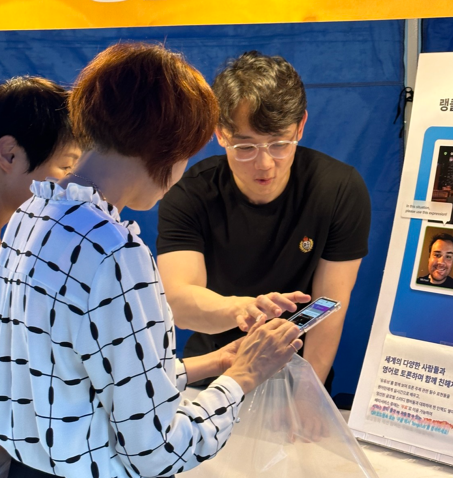
Hi there! I'm Jonah from Langclub. I'm interested in new technologies to help people learn languages and connecting people.

Topic guide Optional
A quick way to understand the topic and find useful language. Read as much or as little as you like.
1-minute overview
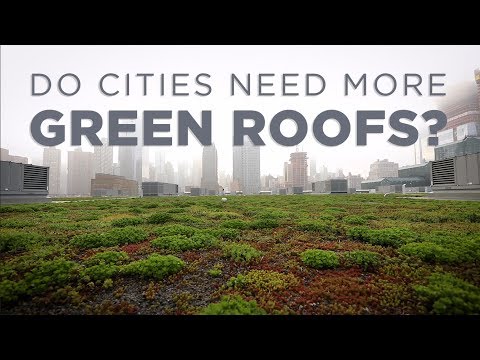
Green roofs replace part of a conventional roof surface with vegetation, a growing layer, drainage materials, and waterproofing. In dense cities, they can slow rainfall runoff, reduce surface temperatures, add habitat, and sometimes lower a building’s cooling demand. They are especially attractive where there is little space for parks or street trees. Cities including New York have used rules that allow green roofs, solar panels, or a combination of both on designated roof areas.
The policy debate is less about whether green roofs can help than about when a requirement is fair and effective. New construction is easier to design for than older buildings, but not every roof has enough structural capacity, sunlight, access, or maintenance support. A universal rule could create predictable environmental gains, while exemptions might protect affordability and avoid unsuitable projects. Costs also continue after installation: plants need inspection, irrigation in some climates, and repair of drainage and waterproofing systems. A strong policy may therefore combine minimum standards with flexible compliance options, financial support, safety reviews, and clear responsibility for long-term care.
The policy debate is less about whether green roofs can help than about when a requirement is fair and effective. New construction is easier to design for than older buildings, but not every roof has enough structural capacity, sunlight, access, or maintenance support. A universal rule could create predictable environmental gains, while exemptions might protect affordability and avoid unsuitable projects. Costs also continue after installation: plants need inspection, irrigation in some climates, and repair of drainage and waterproofing systems. A strong policy may therefore combine minimum standards with flexible compliance options, financial support, safety reviews, and clear responsibility for long-term care.
Useful vocabulary
Approx. CEFR · Topic relevance
green roof
A roof partly or fully covered with vegetation and a system that supports its growth.
A green roof could be more valuable in a crowded neighborhood than in a low-density suburb.
stormwater runoff
Rainwater that flows over surfaces instead of soaking into the ground.
The city wants to reduce stormwater runoff before it overwhelms drains during heavy rain.
urban heat island
The tendency for built-up areas to become hotter than nearby rural areas.
Green roofs may help address the urban heat island effect, but they cannot solve it alone.
structural capacity
The amount of weight a building structure can safely support.
Engineers should confirm the roof’s structural capacity before extra soil and water are added.
exemption
An official permission not to follow a rule in a particular case.
A sensible policy might offer an exemption when a roof is too small or unsafe.
life-cycle cost
The total cost of something over its whole useful life, including upkeep and replacement.
The life-cycle cost may be lower than the initial price suggests if the roof lasts longer.
Useful expressions
The strongest case for this policy depends on whether...
Use it to identify the condition that makes an argument convincing.
The strongest case for this policy depends on whether it reduces flooding at a meaningful scale.
A one-size-fits-all rule may overlook...
Use it to challenge a universal requirement by focusing on differing circumstances.
A one-size-fits-all rule may overlook older buildings with limited structural capacity.
The upfront cost should be weighed against...
Use it to compare immediate expense with long-term benefits or savings.
The upfront cost should be weighed against lower cooling demand and better stormwater control.
This approach shifts responsibility from... to...
Use it to analyze who carries costs, risks, or duties.
This approach shifts responsibility from developers to building owners and tenants over time.
The key distinction is between a target and a mandate.
Use it to contrast voluntary goals with legally enforceable rules.
The key distinction is between a target and a mandate: one encourages action, while the other requires it.
Question list
- Ice breaking
- Main topic
- Free talk
| Q1. | Ever had a random encounter with a stranger that you still think about? |
|---|---|
| Q2. | What is the best piece of business advice you've ever received? |
| Q3. | Are there any disadvantages to being attractive? |
| Q4. | What's the most important thing you've learned from a teacher or professor? |
| Q5. | What is your favorite way to unwind on a weekend? |
| Q6. | How do you express appreciation without using words? |
| Q7. | Describe a conversation that changed the way you think about something. |
| Q8. | How do you create opportunities instead of waiting for them? |
| Q1. | What problems can green roofs help cities solve? |
|---|---|
| Q2. | Should green roofs be required or only encouraged? |
| Q3. | Who should pay for installation and maintenance? |
| Q4. | Are green roofs practical on every type of building? |
| Q5. | How could rules protect building safety and water use? |
| Q6. | Could tax incentives work better than legal requirements? |
| Q7. | What should cities learn from existing green roof projects? |
| Q8. | Would you support a green roof rule where you live? |
| Q1. | How can healthcare providers better address mental health stigma? |
|---|---|
| Q2. | How do you bring out your best self in group settings? |
| Q3. | Why do people sometimes hide their best qualities? |
| Q4. | Which neighborhood in your city do you enjoy visiting? |
| Q5. | What's your favorite flower? |
| Q6. | What are funerals like in your culture or country? |
| Q7. | Are you good at organising things? How do you do it? |
| Q8. | How do you think your country or culture has shaped your personal values and beliefs? |
Rules


Please be kind and respectful.
Note: You can be banned for violating any of these rules
No flirting! Don't ask for other people's social network, number etc. if he/she refuses to give them.
Note: You can be banned for violating any of these rules
Give others an equal opportunity to speak.
Note: You can be banned for violating any of these rules
Avoid Smoking / Drinking while you are talking.
Note: You can be banned for violating any of these rules
Turning your camera on is mandatory.
Note: You can be banned for violating any of these rules
Ready to join the conversation?
Book your spot and bring your perspective to the discussion.