
Who should decide which traditions are acceptable in modern society?
Learn topic-related expressions and join the speaking club to practice them!

I am a certified TEFL instructor and native English teacher with hands-on experience delivering English due to my experience abroad in Hong Kong. I specialize in creating inclusive, judgment-free classrooms that adapt to diverse learners, including SEN students, using CLT and task-based methods, and I am currently pursuing IELTS certification to further strengthen my qualifications. I enjoy connecting with students from all backgrounds and am committed to helping them build confidence and skills through engaging, supportive instruction.
 2 Gold Tickets
Topic guide Optional
A quick way to understand the topic and find useful language. Read as much or as little as you like.
1-minute overview
Traditions can create belonging, pass knowledge between generations, and protect minority identities in a rapidly changing world. They are not fixed objects, however: communities reinterpret them, selectively preserve them, and sometimes abandon them. A tradition may be valued for its history while also affecting people differently according to gender, age, class, religion, or social status.
The difficult question is not simply whether a practice is old, but who has power to defend, change, or reject it. International human-rights principles support cultural participation, yet they also reject using culture to justify violations of dignity, equality, or personal freedom. Critics of intervention worry about cultural imperialism and outsiders applying double standards. Supporters argue that people within a community, especially those most affected, must be able to challenge harmful norms without being labelled disloyal. Governments face a further dilemma: protecting vulnerable people may require action, but heavy-handed bans can stigmatize communities or drive practices underground. The discussion invites us to distinguish living culture from unquestionable authority.
The difficult question is not simply whether a practice is old, but who has power to defend, change, or reject it. International human-rights principles support cultural participation, yet they also reject using culture to justify violations of dignity, equality, or personal freedom. Critics of intervention worry about cultural imperialism and outsiders applying double standards. Supporters argue that people within a community, especially those most affected, must be able to challenge harmful norms without being labelled disloyal. Governments face a further dilemma: protecting vulnerable people may require action, but heavy-handed bans can stigmatize communities or drive practices underground. The discussion invites us to distinguish living culture from unquestionable authority.
Useful vocabulary
Approx. CEFR · Topic relevance
cultural relativism
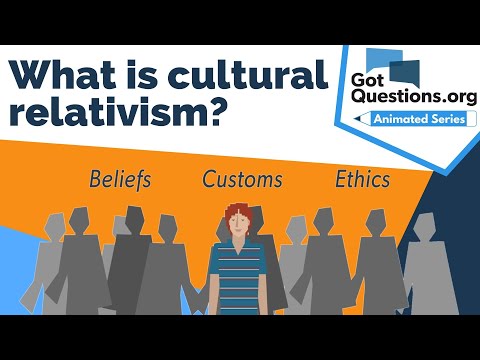
The view that beliefs and practices should be understood within their own cultural context rather than judged only by outside standards.
Cultural relativism can encourage humility, but it should not prevent criticism of serious harm.
universal rights
Basic rights and freedoms considered to belong to every person, regardless of culture or nationality.
Some people argue that universal rights must set a limit on cultural traditions.
harmful practice
A custom or social practice that causes physical, psychological, or social harm to people.
The key issue is whether the tradition is voluntary or functions as a harmful practice.
cultural imperialism
The domination of one culture’s values or institutions over those of another culture.
A ban may be criticized as cultural imperialism if local voices were ignored.
informed consent
Freely agreeing to something after receiving enough clear information to understand its consequences.
Even adult participation is questionable if informed consent is weakened by intense family pressure.
stigmatize
To treat a person or group as shameful, inferior, or socially unacceptable.
Policies should protect individuals without stigmatizing an entire community.
Useful expressions
A useful distinction here is between ... and ...
Use this to separate a broad cultural identity from one particular practice.
A useful distinction here is between respecting a culture and protecting every custom associated with it.
The principle sounds convincing, but its application is more complicated.
Use this to recognize an appealing idea while examining its limits.
The principle sounds convincing, but its application is more complicated when children are involved.
Who bears the cost of preserving this tradition?
Use this to focus attention on the people most affected by a practice.
Who bears the cost of preserving this tradition: the community as a whole, or a less powerful group within it?
We should be cautious about treating a community as if it had one voice.
Use this to challenge oversimplified claims about what a group believes.
We should be cautious about treating a community as if it had one voice, especially across generations.
The question is not whether change is justified, but how it should be led.
Use this to shift the discussion from an either-or debate toward process and authority.
The question is not whether change is justified, but how it should be led and by whom.
Question list
- Ice breaking
- Main topic
- Free talk
| Q1. | Where do your emotions guide you the most? |
|---|---|
| Q2. | How do you cultivate optimism without ignoring difficult realities? |
| Q3. | What small sign of progress encouraged you recently? |
| Q4. | What is your least favorite season? |
| Q5. | What is the most significant achievement of your life so far? |
| Q6. | How do you reconnect with yourself during busy or overwhelming periods? |
| Q7. | What is something that motivates you? |
| Q8. | What kind of view would your dream window show? |
| Q1. | Should harmful cultural traditions be protected simply because they are historically important? |
|---|---|
| Q2. | Who should decide which traditions are acceptable in modern society? |
| Q3. | Should individual freedom take priority over the preservation of cultural traditions? |
| Q4. | Can outsiders fairly judge whether a cultural tradition is harmful? |
| Q5. | Should governments intervene when cultural traditions conflict with human rights? |
| Q6. | Is it possible to preserve a culture without preserving all of its traditional practices? |
| Q7. | Should younger generations have the right to reject traditions they consider outdated? |
| Q8. | When does cultural preservation become an excuse for discrimination? |
| Q1. | How do you encourage others without overwhelming them? |
|---|---|
| Q2. | What role do sports play in society? |
| Q3. | What role do you think sustainable and ethical food practices play in shaping the future of food and culinary culture? |
| Q4. | Where do you enjoy spending long weekends? |
| Q5. | People's judgement is a reflection of their own insecurities. Do you agree? |
| Q6. | What makes kindness powerful in communication? |
| Q7. | How do you stay open-minded and receptive to new experiences or perspectives? |
| Q8. | How do you think your personal definition of success has evolved over time, and what factors have influenced that evolution? |
Rules


Please be kind and respectful.
Note: You can be banned for violating any of these rules
No flirting! Don't ask for other people's social network, number etc. if he/she refuses to give them.
Note: You can be banned for violating any of these rules
Give others an equal opportunity to speak.
Note: You can be banned for violating any of these rules
Avoid Smoking / Drinking while you are talking.
Note: You can be banned for violating any of these rules
Turning your camera on is mandatory.
Note: You can be banned for violating any of these rules
Ready to join the conversation?
Book your spot and bring your perspective to the discussion.