
Why Are We So Afraid of Rejection?
Learn topic-related expressions and join the speaking club to practice them!
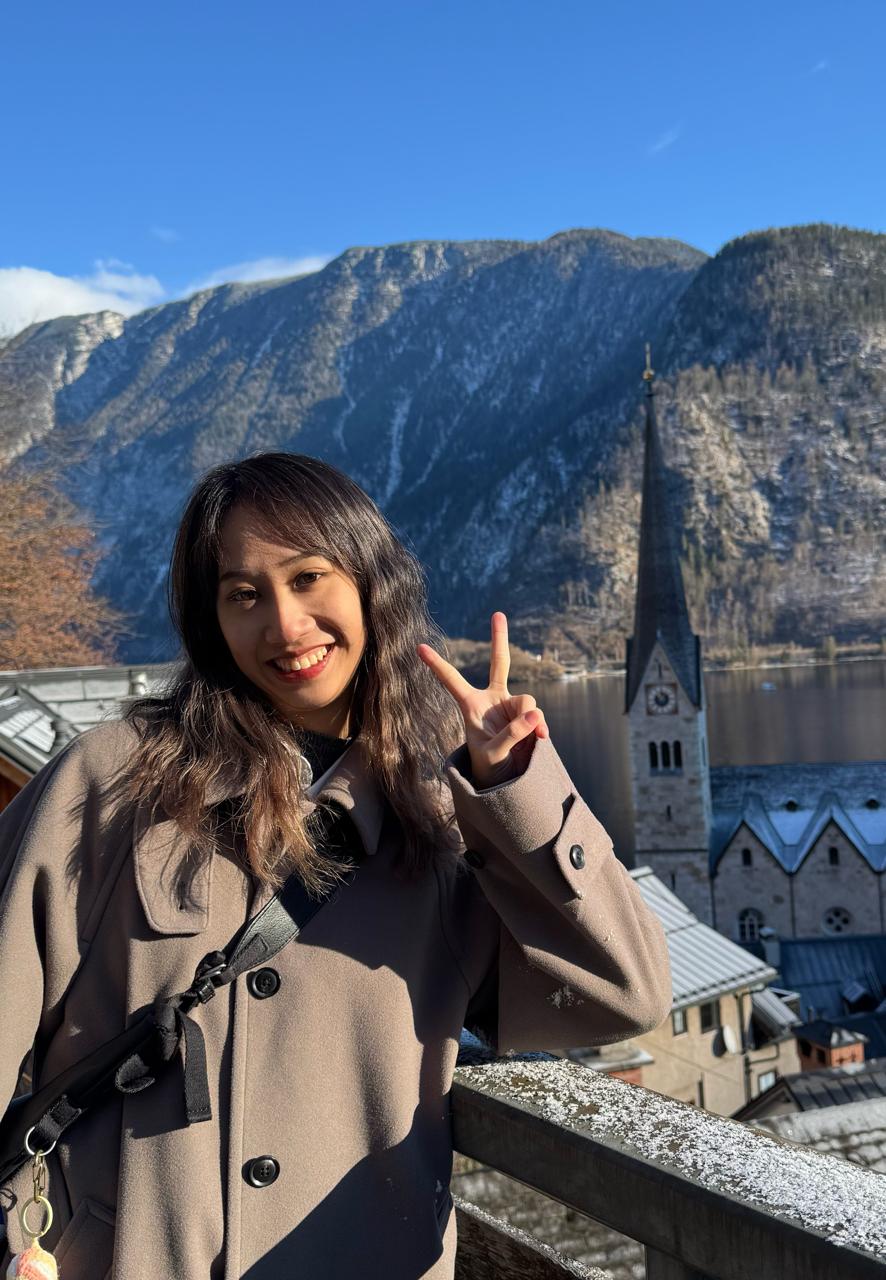

Hi! I’m Evelyn. I’m from Taiwan and currently doing a Master’s degree in occupational therapy in Australia. I love meeting new people and chatting with people from different backgrounds. I’m really looking forward to having great conversations with you!

Topic guide Optional
A quick way to understand the topic and find useful language. Read as much or as little as you like.
1-minute overview
Rejection is more than hearing “no.” It can mean being excluded, passed over, criticised, or left without an answer. Because people depend on belonging, approval, and cooperation, a refusal can seem to say something about our value rather than simply about one decision. Its impact also varies: a romantic breakup may challenge intimacy and identity, while rejection at work or school can threaten competence, security, or future plans.
Fear becomes costly when it leads to avoidance: not applying, not sharing an idea, not inviting someone, or not negotiating. Yet rejection is not always a reliable judgement of ability or worth. Timing, limited opportunities, personal preference, bias, and competition all matter. Repeated setbacks may build perspective and resilience, but only if people can reflect, recover, and try again rather than treating each outcome as a verdict on themselves.
This conversation can explore whether deliberate small risks are useful, which kinds of rejection cut deepest, and how confidence can grow without pretending rejection does not hurt.
Fear becomes costly when it leads to avoidance: not applying, not sharing an idea, not inviting someone, or not negotiating. Yet rejection is not always a reliable judgement of ability or worth. Timing, limited opportunities, personal preference, bias, and competition all matter. Repeated setbacks may build perspective and resilience, but only if people can reflect, recover, and try again rather than treating each outcome as a verdict on themselves.
This conversation can explore whether deliberate small risks are useful, which kinds of rejection cut deepest, and how confidence can grow without pretending rejection does not hurt.
Useful vocabulary
Approx. CEFR · Topic relevance
rejection sensitivity
A tendency to expect, notice, and react strongly to possible rejection.
High rejection sensitivity can make an ordinary delay in replying feel like a personal insult.
avoidance
The habit of staying away from a situation because it feels uncomfortable or risky.
Avoidance may protect someone from embarrassment today but limit their opportunities later.
setback
A problem or failure that delays progress but does not end an effort.
Not getting one job can be a setback rather than proof that you are unqualified.
resilience
The ability to recover and continue after difficulty or disappointment.
Resilience does not mean feeling nothing; it means being able to move forward after a refusal.
self-worth
A person’s sense of their own value as a human being.
It is healthier to separate self-worth from the result of one interview or date.
exposure
Deliberately facing a feared situation in manageable steps.
Small exposure to possible rejection, such as asking for feedback, can reduce anxiety over time.
Useful expressions
I would distinguish between ... and ...
Use this to show that two apparently similar kinds of rejection have different meanings.
I would distinguish between being rejected by a stranger and being rejected by someone whose opinion matters deeply.
The crucial issue may be whether ...
Use this to identify the factor that most changes the situation.
The crucial issue may be whether the rejection feels temporary or like a permanent judgement.
That assumes that ...
Use this to challenge an idea by identifying an unspoken belief behind it.
That assumes that people always know why they reject someone, which may not be true.
There is a trade-off between ... and ...
Use this to compare two competing benefits or risks.
There is a trade-off between protecting yourself from disappointment and remaining open to opportunity.
I can see why that feels personal; however, ...
Use this to acknowledge emotion while offering a different interpretation.
I can see why that feels personal; however, the decision may reflect timing or competition rather than your value.
Sources & further reading
Question list
- Ice breaking
- Main topic
- Free talk
| Q1. | How do you maintain your sense of wonder about the world? |
|---|---|
| Q2. | What important life lessons have you learned? |
| Q3. | If you could visit any UNESCO World Heritage site, which one would it be? |
| Q4. | Do you prefer the city or the countryside and why? |
| Q5. | What item would you redesign entirely? |
| Q6. | What type of human connection do you value deeply? |
| Q7. | Describe a time when you reconnected with someone after a long time apart. |
| Q8. | Does work usually make you feel stressed? |
| Q1. | What kind of rejection is most difficult for people to experience? |
|---|---|
| Q2. | Why does rejection often feel so personal? |
| Q3. | Can fear of rejection stop people from finding good opportunities? |
| Q4. | Does experiencing rejection repeatedly make it easier to handle? |
| Q5. | Should people deliberately put themselves in situations where they might be rejected? |
| Q6. | Is romantic rejection different from rejection at work or school? |
| Q7. | Can rejection sometimes improve someone's confidence in the long run? |
| Q8. | What opportunity might people miss simply because they are afraid to ask? |
| Q1. | What is the role of resilience in overcoming adversity? |
|---|---|
| Q2. | Describe a moment in your life that felt like everything aligned perfectly. |
| Q3. | Have you ever reconnected with a lost friend? |
| Q4. | What helps you resist emotional manipulation? |
| Q5. | Some people swear by meditation or mindfulness. What practices help you stay grounded? |
| Q6. | Do you ever buy lottery tickets? |
| Q7. | What makes communication an art for you? |
| Q8. | How do you think the role of journalists and news organizations should evolve in response to the changing media landscape? |
Rules


Please be kind and respectful.
Note: You can be banned for violating any of these rules
No flirting! Don't ask for other people's social network, number etc. if he/she refuses to give them.
Note: You can be banned for violating any of these rules
Give others an equal opportunity to speak.
Note: You can be banned for violating any of these rules
Avoid Smoking / Drinking while you are talking.
Note: You can be banned for violating any of these rules
Turning your camera on is mandatory.
Note: You can be banned for violating any of these rules
Ready to join the conversation?
Book your spot and bring your perspective to the discussion.