Why Do We Miss Places We Once Wanted to Leave?
Learn topic-related expressions and join the speaking club to practice them!
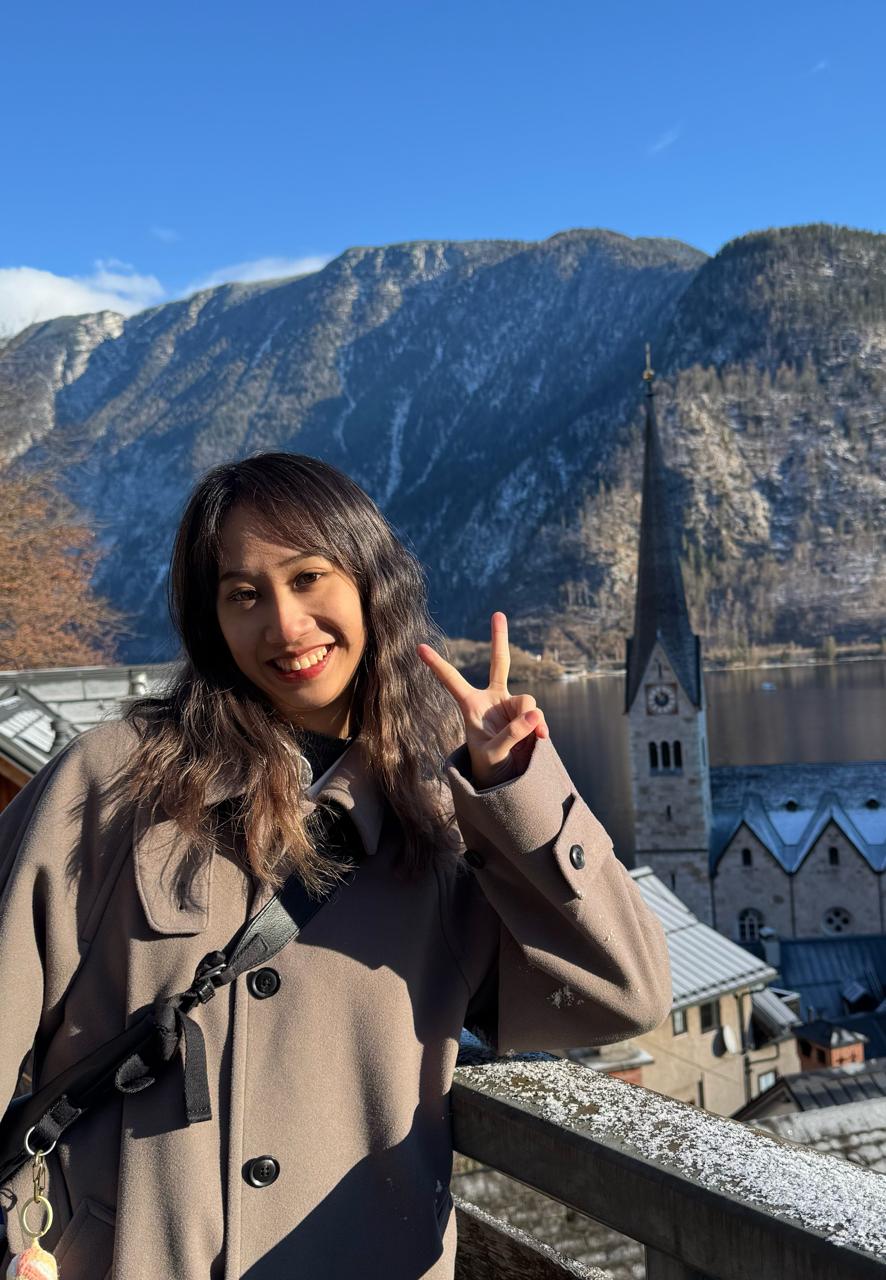

Hi! I’m Evelyn. I’m from Taiwan and currently doing a Master’s degree in occupational therapy in Australia. I love meeting new people and chatting with people from different backgrounds. I’m really looking forward to having great conversations with you!

Topic guide Optional
A quick way to understand the topic and find useful language. Read as much or as little as you like.
1-minute overview
The word nostalgia began as a medical diagnosis. In 1688 Johannes Hofer, an Alsatian doctor in Basel, joined the Greek words for homecoming and pain to name a longing for home that could reportedly kill and was later linked above all to Swiss soldiers abroad. Today psychologists such as Constantine Sedikides of the University of Southampton find it mostly positive, lifting optimism and a sense of connection.
Memory helps explain why hard places soften. In a 1997 study led by Terence Mitchell, cyclists on a three-week tour of California complained of bad weather and exhaustion during the trip, yet later recalled it far more warmly. Research by W. Richard Walker and John Skowronski on the fading affect bias shows that the sting of bad memories usually fades faster than the glow of good ones.
Whether this softening is a gift or a trap is debated. Walker and Skowronski describe it as healthy coping, while Mitchell's team suggested that rosy memories may help explain why people repeat the mistakes of the past.
Useful vocabulary
Approx. CEFR · Topic relevance
nostalgia
/nɑˈstældʒə/A sentimental longing for a past time or place, usually mixing warmth with a sense of loss.
My nostalgia for that noisy apartment surprised me, because I couldn't wait to move out.
rosy retrospection
The tendency to remember past experiences as more pleasant than they felt at the time.
Rosy retrospection might explain why my exhausting first job now sounds like an adventure.
place attachment
The emotional bond people form with a particular location, built from memories, routines and relationships.
Place attachment can grow quietly, so you only notice it once you've left.
fading affect bias
The finding that the emotional intensity of negative memories fades faster than that of positive ones.
Thanks to the fading affect bias, I remember the friendships from that town more vividly than the loneliness.
idealize
/aɪˈdiəlaɪz/To imagine or present something as better or more perfect than it really is.
Emigrants often idealize the country they left, especially during a hard first year abroad.
wistful
/ˈwɪstfəl/Gently sad and longing, often for something that cannot return.
Old photos of my school street always leave me a little wistful.
Useful expressions
With the benefit of hindsight
Reassessing a past situation using what you know now.
With the benefit of hindsight, those cramped student years look almost charming.
It's less about ... than about ...
Reframing a feeling by pointing to its real cause.
Maybe it's less about the town itself than about who we were when we lived there.
There's a grain of truth in that
Accepting part of a claim while signaling that it is incomplete.
There's a grain of truth in that, since my hometown really was safer, but it was also painfully dull.
That cuts both ways
Noting that the same factor brings both benefits and costs.
Softer memories comfort us, but that cuts both ways, because they can also hide why we left.
I'd be wary of reading too much into
Warning against drawing big conclusions from limited evidence.
I'd be wary of reading too much into one happy afternoon back in the old neighborhood.
Sources & further reading
Question list
- Ice breaking
- Main topic
- Free talk
| Q1. | What’s a story from your family history that fascinates or inspires you? |
|---|---|
| Q2. | How do you cultivate long-term discipline? |
| Q3. | What’s the most unusual compliment you've ever received that stayed with you? |
| Q4. | What’s a memory that instantly makes you smile, no matter what? |
| Q5. | Describe an experience where you felt completely immersed in the present moment. |
| Q6. | When have you felt most connected to your creative instincts? |
| Q7. | How do you stay true to yourself and your values, even when faced with difficult choices or decisions in your pursuit of success? |
| Q8. | If you could pause and reflect right now, what question would you consider? |
| Q1. | Have you ever missed a place you once wanted to leave? |
|---|---|
| Q2. | Which small details bring back memories of an old home? |
| Q3. | Why can a difficult period look better years later? |
| Q4. | Does returning to a familiar place change how you remember it? |
| Q5. | Can you miss a place without wanting to live there again? |
| Q6. | How do people change the way we feel about a place? |
| Q7. | What would disappoint you most about revisiting your hometown? |
| Q8. | How could you make room for old memories in a new home? |
| Q1. | What makes certain sayings or proverbs resonate across multiple cultures? |
|---|---|
| Q2. | How do you balance empathy with self-protection? |
| Q3. | Do you think your thoughts are reality or just interpretation? |
| Q4. | What memory always gives you strength? |
| Q5. | What is the nature of consciousness and how does it relate to the brain? |
| Q6. | Do you prefer drinking tea or soda? |
| Q7. | How do you think the concept of "overtourism" has affected popular travel destinations, and what can be done to mitigate its negative impacts? |
| Q8. | Which sport would you try if you could? |
Rules


Please be kind and respectful.
Note: You can be banned for violating any of these rules
No flirting! Don't ask for other people's social network, number etc. if he/she refuses to give them.
Note: You can be banned for violating any of these rules
Give others an equal opportunity to speak.
Note: You can be banned for violating any of these rules
Avoid Smoking / Drinking while you are talking.
Note: You can be banned for violating any of these rules
Turning your camera on is mandatory.
Note: You can be banned for violating any of these rules
Make sure there is good light on your face, so others can see you clearly.
Note: You can be banned for violating any of these rules
Don't join while driving.
Note: You can be banned for violating any of these rules
Ready to join the conversation?
Book your spot and bring your perspective to the discussion.