Why Do We Root for the Villain?
Learn topic-related expressions and join the speaking club to practice them!


Marhaban everyone! my name is Bilel and I'm from Tunisia . I have a bachelor's degree in English (International Relations). I have worked as a translator, International Business Developer and a director in a teaching center. After COVID, I started my carrier as a part-time English teacher in Tunis, the capital city of Tunisia. I'm an ambitious person, and never give up my dream of working for the Ministry of Foreign Affairs of Tunisia, and why not be an ambassador someday!?
I'm thrilled to see you all in the Langclub sessions.

Topic guide Optional
A quick way to understand the topic and find useful language. Read as much or as little as you like.
1-minute overview
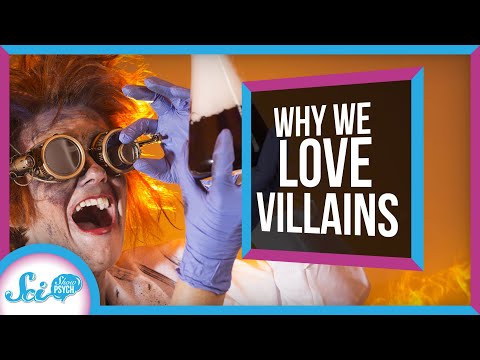
Stories have always given their best lines, and often their most vivid energy, to antagonists. Milton's Satan, Iago, Hannibal Lecter, Loki and Wicked's Elphaba all show how audiences can be drawn to characters who cause harm. Researchers sometimes explain this through moral disengagement. In fiction we can set aside our everyday judgments, enjoy transgression safely, and still return to our values afterward.
Several things can deepen the attraction. A tragic backstory invites empathy. A villain may also be wittier, freer or more decisive than a cautious hero. Charismatic casting, such as a handsome or magnetic performer, can soften our reaction through the halo effect. Retellings that shift perspective, like Wicked or Joker, ask whether understanding someone means excusing them.
The tension is between enjoyment and judgment. Is sympathy a sign of richer storytelling, or does it risk romanticizing cruelty? Many fictional villains might look far less appealing if they lived next door.
Useful vocabulary
Approx. CEFR · Topic relevance
antagonist
/ænˈtæɡənɪst/The character who opposes the protagonist and creates the central conflict, not always a clear villain.
The antagonist felt justified, so the film's conflict seemed more complicated than good versus evil.
moral disengagement
Temporarily setting aside ethical judgment so that harmful acts can be enjoyed or excused.
Moral disengagement may explain why we cheer for a thief in a heist film.
charisma
/kəˈrɪzmə/A magnetic personal appeal that makes people admire or follow someone.
The villain's charisma made his threats feel strangely seductive.
redemption arc
A storyline in which a flawed character gradually earns forgiveness or moral recovery.
I wanted a redemption arc for him, but the ending refused to offer one.
sympathetic
/ˌsɪmpəˈθetɪk/Inspiring understanding or compassion, even if not approval.
A sympathetic villain can still be responsible for terrible choices.
glamorize
/ˈɡlæməraɪz/To make something harmful appear exciting, stylish or attractive.
Critics say the film glamorizes violence by giving the criminal such stylish scenes.
Useful expressions
That explains it, but it doesn't excuse it
Separating understanding a motive from moral approval.
His childhood explains his anger, but it doesn't excuse what he does.
It depends on whose perspective we take
Qualifying a judgment by noting that narration shapes sympathy.
It depends on whose perspective we take, since the story hides the villain's view.
To a certain extent
Partly agreeing while leaving room for limits.
To a certain extent, charm does make us more forgiving.
That's a fair point, but I'd argue
Politely challenging an idea after acknowledging it.
That's a fair point, but I'd argue the actor's charm matters less than the writing.
By contrast
Comparing two characters or effects clearly.
The hero is predictable; by contrast, the villain constantly surprises us.
Question list
- Ice breaking
- Main topic
- Free talk
| Q1. | What do you think happens to us after we die? |
|---|---|
| Q2. | What feeling do you want more of in your life? |
| Q3. | If you had enough money that you never had to work, what would you do with your time? |
| Q4. | Where would you revisit to appreciate it differently? |
| Q5. | How do you avoid comparing yourself to others? |
| Q6. | Describe a creative project that challenged you but ultimately fulfilled you. |
| Q7. | How important is appearance of a person? |
| Q8. | What is the earliest memory that you have? |
| Q1. | Which fictional villain do you find most interesting? |
|---|---|
| Q2. | Have you ever wanted a villain to win? |
| Q3. | What makes a villain more memorable than the hero? |
| Q4. | How does a character's sad past affect your sympathy? |
| Q5. | Can an actor's charm make bad behavior seem less serious? |
| Q6. | Does understanding a villain's motives change how you judge them? |
| Q7. | How would the story change if the villain told it? |
| Q8. | Which villain would seem less appealing in real life? |
| Q1. | How do you navigate the balance between self-care and caring for others? |
|---|---|
| Q2. | Let’s say you had the power to make one significant change in the world of education. What would it be? |
| Q3. | How do you choose which relationships to invest in? |
| Q4. | Think about a moment when you truly surprised yourself. What did you discover? |
| Q5. | How can cities better encourage face-to-face social interaction among residents? |
| Q6. | What do you think is the key to building trust in new relationships? |
| Q7. | What makes calm people appealing to you? |
| Q8. | What are people not grateful enough for? |
Rules


Please be kind and respectful.
Note: You can be banned for violating any of these rules
No flirting! Don't ask for other people's social network, number etc. if he/she refuses to give them.
Note: You can be banned for violating any of these rules
Give others an equal opportunity to speak.
Note: You can be banned for violating any of these rules
Avoid Smoking / Drinking while you are talking.
Note: You can be banned for violating any of these rules
Turning your camera on is mandatory.
Note: You can be banned for violating any of these rules
Ready to join the conversation?
Book your spot and bring your perspective to the discussion.