Would You Eat at a Restaurant With No Menu?
Learn topic-related expressions and join the speaking club to practice them!

Albert, an engineer and explorer.
Hello everyone! My name is Albert and I am super happy to meet each person here! I love communicating in English and therefore I try to practice it as much as I can. I am an engineer by my background, and I like to know how everything works, as well as I like travelling, music, all sorts of activities and adventures.

Topic guide Optional
A quick way to understand the topic and find useful language. Read as much or as little as you like.
1-minute overview
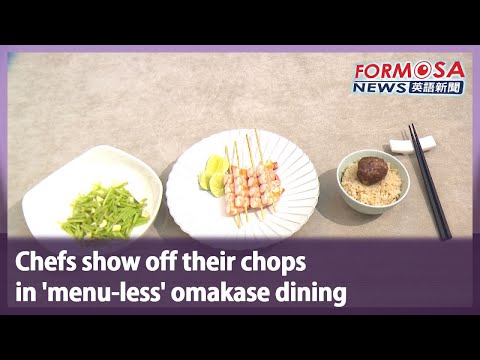
A restaurant with no menu asks diners to exchange choice for trust. Instead of comparing prices, ingredients, and familiar favorites, guests accept a meal designed by the chef, often around seasonal produce, what is freshest that day, or a particular culinary idea. This approach is common in tasting-menu and omakase-style dining, but it can also appear in small neighborhood restaurants where the kitchen serves one changing meal.
The appeal is partly emotional: surprise can make dinner feel like an event, and a confident chef may introduce people to ingredients they would never order themselves. Yet the loss of control can be uncomfortable, especially for people with allergies, strong dislikes, limited budgets, or cultural and religious dietary needs. A shorter, more predictable list of dishes may help kitchens plan purchases and use ingredients efficiently, but it does not automatically prevent waste. The experience depends on clear communication, fair pricing, and whether diners feel their preferences have been respected.
The appeal is partly emotional: surprise can make dinner feel like an event, and a confident chef may introduce people to ingredients they would never order themselves. Yet the loss of control can be uncomfortable, especially for people with allergies, strong dislikes, limited budgets, or cultural and religious dietary needs. A shorter, more predictable list of dishes may help kitchens plan purchases and use ingredients efficiently, but it does not automatically prevent waste. The experience depends on clear communication, fair pricing, and whether diners feel their preferences have been respected.
Useful vocabulary
Approx. CEFR · Topic relevance
omakase
/ˌoʊmɑˈkɑːseɪ/a Japanese-style meal in which the chef chooses the dishes for the guest
I would try omakase if the chef asked about allergies first.
tasting menu
a set meal of several small courses chosen by the restaurant
A tasting menu can be exciting, but it may feel too formal for a casual dinner.
dietary restriction
a limit on what someone can eat for medical, religious, or personal reasons
A no-menu restaurant needs to take every dietary restriction seriously.
seasonal
available or at its best during a particular time of year
Seasonal ingredients could make the meal fresher and less predictable.
food waste
food that is thrown away instead of eaten or used
Serving one planned meal might reduce food waste in the kitchen.
palate
/ˈpælət/a person’s ability to recognize and enjoy different tastes and flavors
People with an adventurous palate may enjoy a chef’s surprise more.
Useful expressions
The real trade-off is between ... and ...
Use this to identify two values that may conflict.
The real trade-off is between personal choice and the chef’s creative freedom.
That depends largely on whether ...
Use this to show that your answer needs an important condition.
That depends largely on whether the restaurant clearly explains its dietary policy.
It may sound appealing in theory, but ...
Use this to introduce a practical concern or criticism.
It may sound appealing in theory, but paying first could make some guests anxious.
Compared with a conventional menu, ...
Use this to make a focused comparison.
Compared with a conventional menu, this format gives diners less control but more novelty.
I would draw the line at ...
Use this to state a firm personal limit.
I would draw the line at eating an ingredient I had specifically asked the chef to avoid.
Question list
- Ice breaking
- Main topic
- Free talk
| Q1. | Have you ever been part of a team or group project that you loved? |
|---|---|
| Q2. | What’s a humorous superstition or folk tale you grew up hearing? |
| Q3. | If you could speak any language fluently, which one would you choose and why? |
| Q4. | What’s a piece of advice you’ve heard that stuck with you, even if you didn’t expect it to? |
| Q5. | If you had to choose a single intention to guide your week, what intention would you pick? |
| Q6. | Think of a time when laughter solved more than logic ever could. |
| Q7. | If you could begin a completely new tradition for yourself, what would it involve? |
| Q8. | If you could bring back a positive habit from your past, which habit deserves a return? |
| Q1. | Do you like choosing food from a menu? |
|---|---|
| Q2. | Would you enjoy a surprise meal at a restaurant? |
| Q3. | What foods would you ask the chef to avoid? |
| Q4. | Could a no-menu restaurant reduce food waste? |
| Q5. | Would you pay before knowing what you will eat? |
| Q6. | Who would enjoy this kind of dinner most? |
| Q7. | What could make the experience disappointing? |
| Q8. | Would you visit once for fun? |
| Q1. | Why do you appreciate handwritten letters? |
|---|---|
| Q2. | What’s your favorite way to enjoy music on a quiet day? |
| Q3. | Would you rather give a speech in front of 100 people you know or 100 people you don't know? |
| Q4. | How do you respond to constructive criticism you disagree with? |
| Q5. | How do you prepare yourself for unfamiliar environments? |
| Q6. | What is the most important quality a leader should have and why? |
| Q7. | How would you solve the problem of food waste in your community? |
| Q8. | What is your opinion on the importance of work-life balance? |
Rules


Please be kind and respectful.
Note: You can be banned for violating any of these rules
No flirting! Don't ask for other people's social network, number etc. if he/she refuses to give them.
Note: You can be banned for violating any of these rules
Give others an equal opportunity to speak.
Note: You can be banned for violating any of these rules
Avoid Smoking / Drinking while you are talking.
Note: You can be banned for violating any of these rules
Turning your camera on is mandatory.
Note: You can be banned for violating any of these rules
Ready to join the conversation?
Book your spot and bring your perspective to the discussion.