Would You Take a Free Class If You Had to Teach Someone Else Afterwards?
Learn topic-related expressions and join the speaking club to practice them!

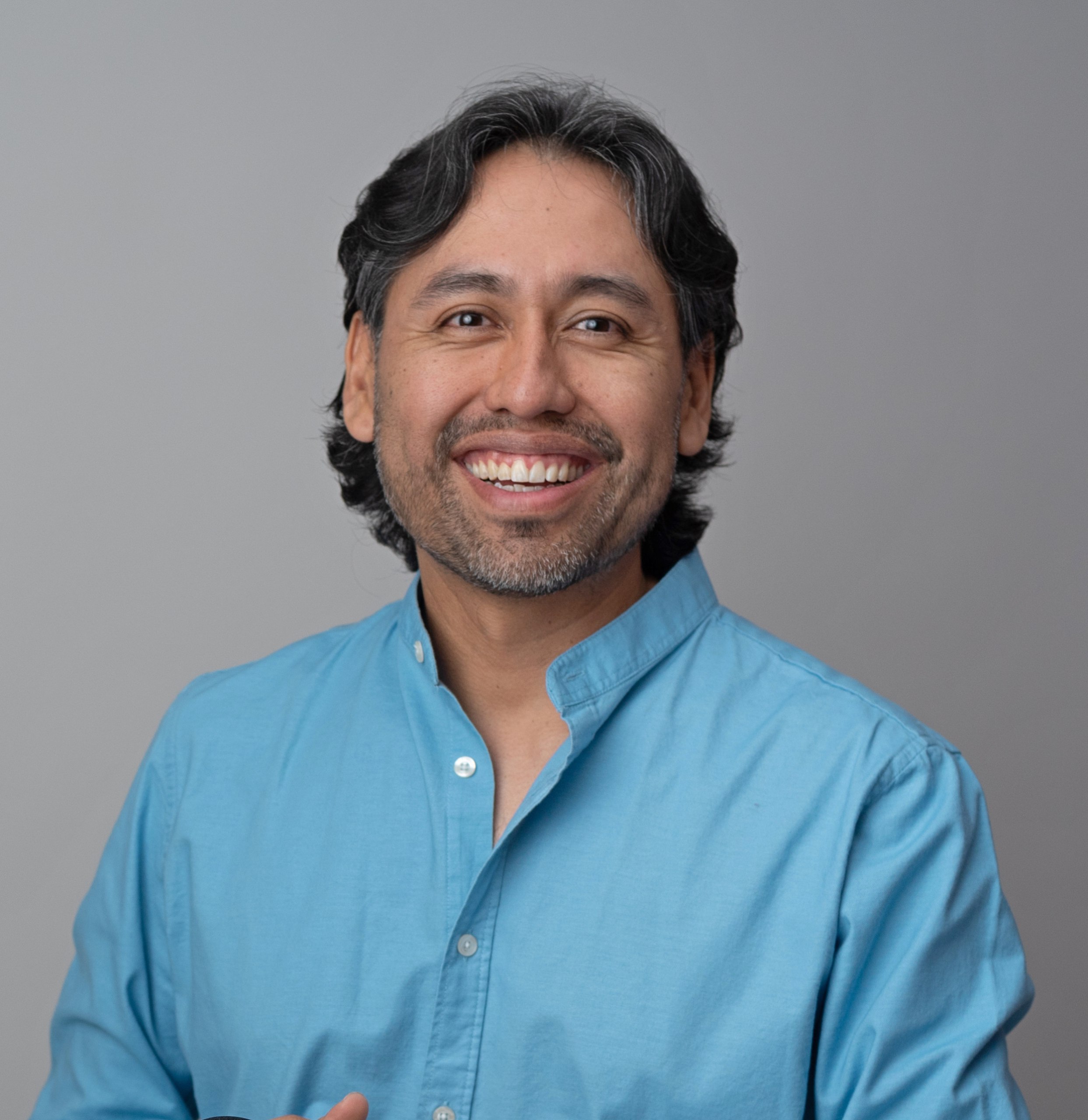

Hi! I’m Daniel, a Systems Engineer and B2B SaaS Sales leader. After years of public speaking, coaching, and stage performance, I believe selling is just clear communication. I’m here in LangClub to sharpen my English for global business, connect with people, and learn about different cultures—which is already happening! Outside of work, I'm a meditation instructor. Let’s make every conversation great!

Topic guide Optional
A quick way to understand the topic and find useful language. Read as much or as little as you like.
1-minute overview
Imagine a class that costs no money, but comes with one condition: afterwards, you must teach what you learned to someone else. The idea resembles paying it forward, and it turns every learner into a possible teacher. Supporters point to the protégé effect, a well-studied finding that preparing to teach can deepen understanding. Teaching forces people to organise ideas, notice gaps in their knowledge, and answer unexpected questions.
The model also raises practical and ethical questions. Is teaching one beginner a fair price, or an unpaid obligation? A weak explanation could pass on mistakes, and some people feel anxious about teaching before they feel competent. Quality control is difficult: a teacher might check understanding through a short demonstration, a practice task, or follow-up questions.
The approach may suit some subjects better than others. Cooking and basic computer skills are easy to demonstrate, while languages need steady practice and feedback. Used well, a chain of free classes could spread skills through a community. Used badly, it could become a thin copy of real instruction.
Useful vocabulary
Approx. CEFR · Topic relevance
protégé effect
The tendency to learn more deeply when you prepare to teach or actually teach someone else.
The protégé effect may explain why my notes improved once I knew I had to teach a friend.
pay it forward
To repay a kindness by helping someone else rather than the original giver.
The class is free, but you pay it forward by teaching one beginner.
scaffolding
/ˈskæfoʊldɪŋ/Temporary support that helps a learner complete tasks they could not yet do alone.
A good beginner lesson needs scaffolding, such as a checklist or a worked example.
competence
/ˈkɑmpɪtəns/The ability to do something well enough to meet a required standard.
Basic competence may be enough to teach a beginner, but not an advanced student.
reciprocity
/ˌresɪˈprɑsəti/A fair exchange in which people give and receive benefits in return.
Reciprocity makes this model feel fairer than simple charity.
retention
/rɪˈtenʃən/The ability to keep information in memory over time.
Teaching others may improve retention more than rereading notes.
Useful expressions
That holds true up to a point, but
To partly accept an idea before qualifying it.
That holds true up to a point, but explaining a skill badly can spread confusion.
What this overlooks is
To challenge an argument by naming a missing factor.
What this overlooks is that some learners feel too anxious to teach.
It hinges on whether
To identify the key condition on which an outcome depends.
The model hinges on whether the second learner receives accurate guidance.
By the same token
To add a point that follows from the same logic.
By the same token, a free class should not become hidden unpaid labour.
Compared with, it seems far more
To compare two options and state a clear contrast.
Compared with languages, cooking seems far more suitable because results are easy to see.
Question list
- Ice breaking
- Main topic
- Free talk
| Q1. | Where do you feel your mind resets best? |
|---|---|
| Q2. | How do you stay grounded when life becomes unpredictable? |
| Q3. | Do you have any close friends that you can really rely on and count on no matter what? |
| Q4. | How do you incorporate mindfulness into your day-to-day routine? |
| Q5. | How do you foster courage and curiosity in moments of uncertainty? |
| Q6. | Do you think aliens have visited Earth? |
| Q7. | What's your favorite holiday? |
| Q8. | What’s a tradition or custom from another culture that you find fascinating? |
| Q1. | What skill would you choose to learn in a free class? |
|---|---|
| Q2. | Have you learned something better by explaining it to another person? |
| Q3. | Would teaching one beginner feel like a fair payment for a class? |
| Q4. | What would make you nervous about teaching a new skill? |
| Q5. | Should learners choose whom they teach afterwards? |
| Q6. | How could a teacher check that the knowledge was passed on? |
| Q7. | Would this idea work better for cooking, languages, or computer skills? |
| Q8. | Could a chain of free classes help people in your community? |
| Q1. | How do you bring calmness into stressful environments? |
|---|---|
| Q2. | How do you stay objective during emotional moments? |
| Q3. | Have you ever shared a story that inspired others? |
| Q4. | What habit has improved your life the most? |
| Q5. | What do you feel are the most important things to living a great life? |
| Q6. | What is your favorite place you've ever visited and why? |
| Q7. | What signals tell you someone is a genuine person? |
| Q8. | What is your opinion on the importance of art? |
Rules


Please be kind and respectful.
Note: You can be banned for violating any of these rules
No flirting! Don't ask for other people's social network, number etc. if he/she refuses to give them.
Note: You can be banned for violating any of these rules
Give others an equal opportunity to speak.
Note: You can be banned for violating any of these rules
Avoid Smoking / Drinking while you are talking.
Note: You can be banned for violating any of these rules
Turning your camera on is mandatory.
Note: You can be banned for violating any of these rules
Ready to join the conversation?
Book your spot and bring your perspective to the discussion.